
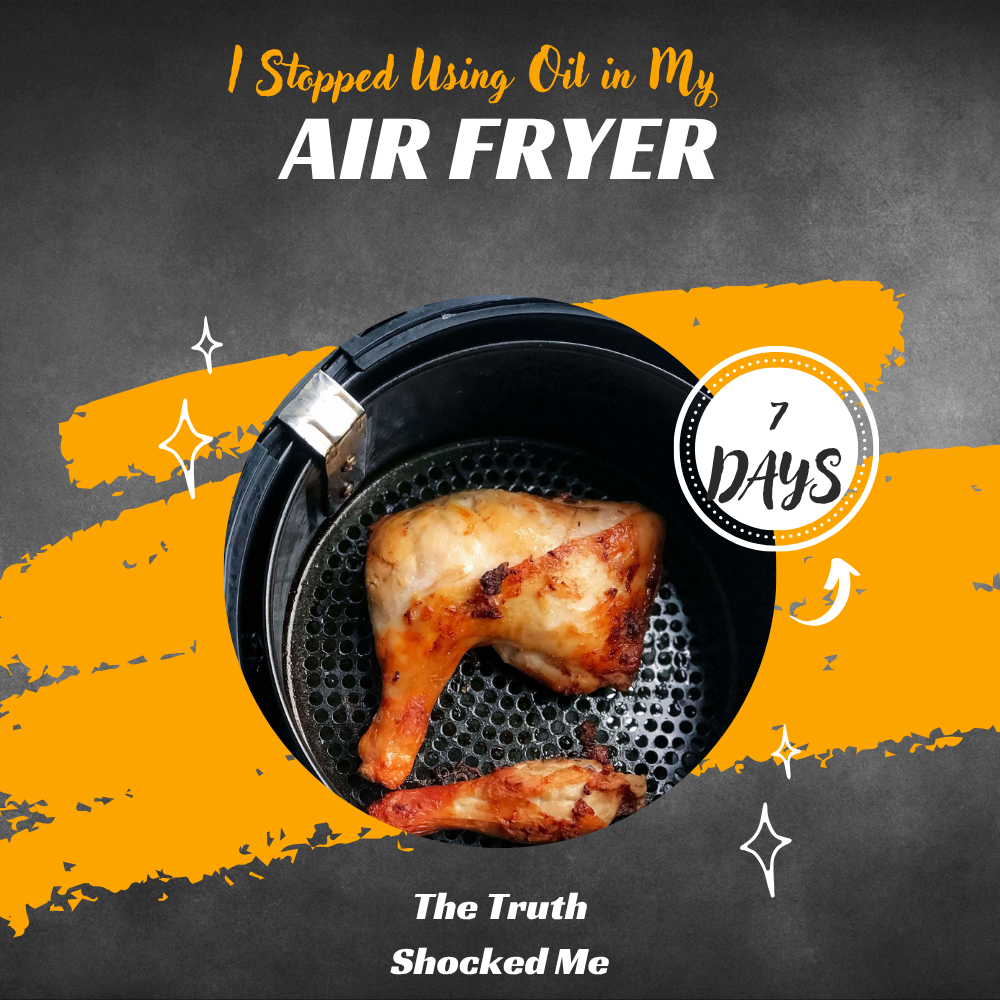
No, you don’t need oil in an air fryer for every recipe. Frozen foods like fries, nuggets, and hash browns already contain enough oil to crisp up well. However, adding ½ to 1 teaspoon of oil to fresh foods such as vegetables, homemade fries, paneer, tofu, or lean chicken usually produces better browning, crispiness, and flavor.
To see whether oil really makes a difference, I cooked common air fryer foods without adding any oil for seven consecutive days, then repeated the same recipes using a small amount of oil. The results were much more noticeable than I expected.
If you’re wondering whether air fryers are truly “oil-free,” here’s exactly what happened.
At a Glance
| Food | Oil Needed? | My Result |
|---|---|---|
| Frozen Fries | No | Crispy without extra oil |
| Frozen Nuggets | No | Excellent |
| Homemade Fries | Yes | Much crispier with oil |
| Fresh Vegetables | Yes | Better color and texture |
| Chicken Breast | Yes | Less dry and more evenly browned |
| Paneer | Yes | Better crust and flavor |
My Experiment
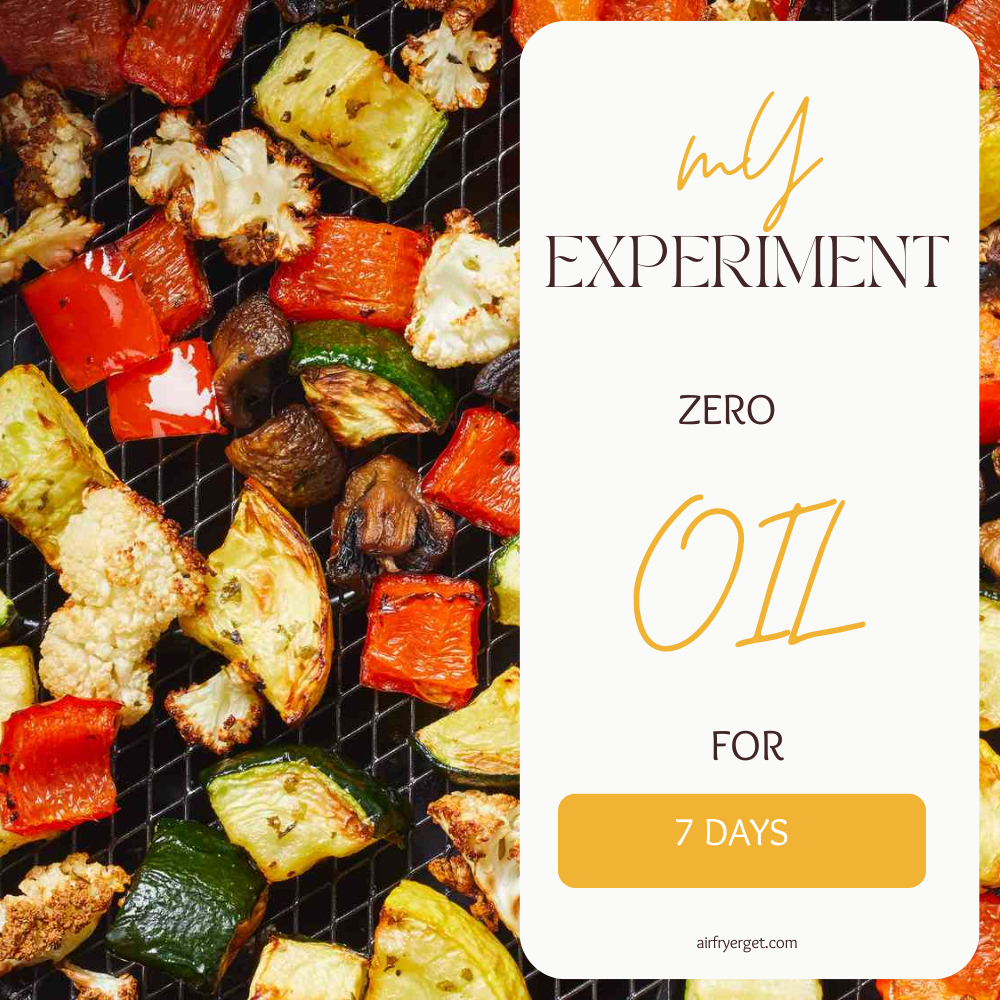
Here’s exactly what I tested:
- Frozen fries
- Homemade potato wedges
- Chicken
- Paneer
- Vegetables
No oil at all. Just seasoning and straight into the air fryer.
At first, I thought I cracked the system.
Then reality hit.
If you’re cooking multiple items at once, choosing the right appliance matters — especially if you’re considering whether you should buy a dual basket air fryer in 2026 for better efficiency.
Days 1-2: Frozen Foods Worked Surprisingly Well Without Oil
Frozen fries turned out surprisingly decent.
- Crispy outside
- Soft inside
- No sticking
That’s when I thought:
👉 Maybe you really don’t need oil in an air fryer.
But this confidence didn’t last long.
Days 3-4: Fresh Foods Started Losing Crispiness
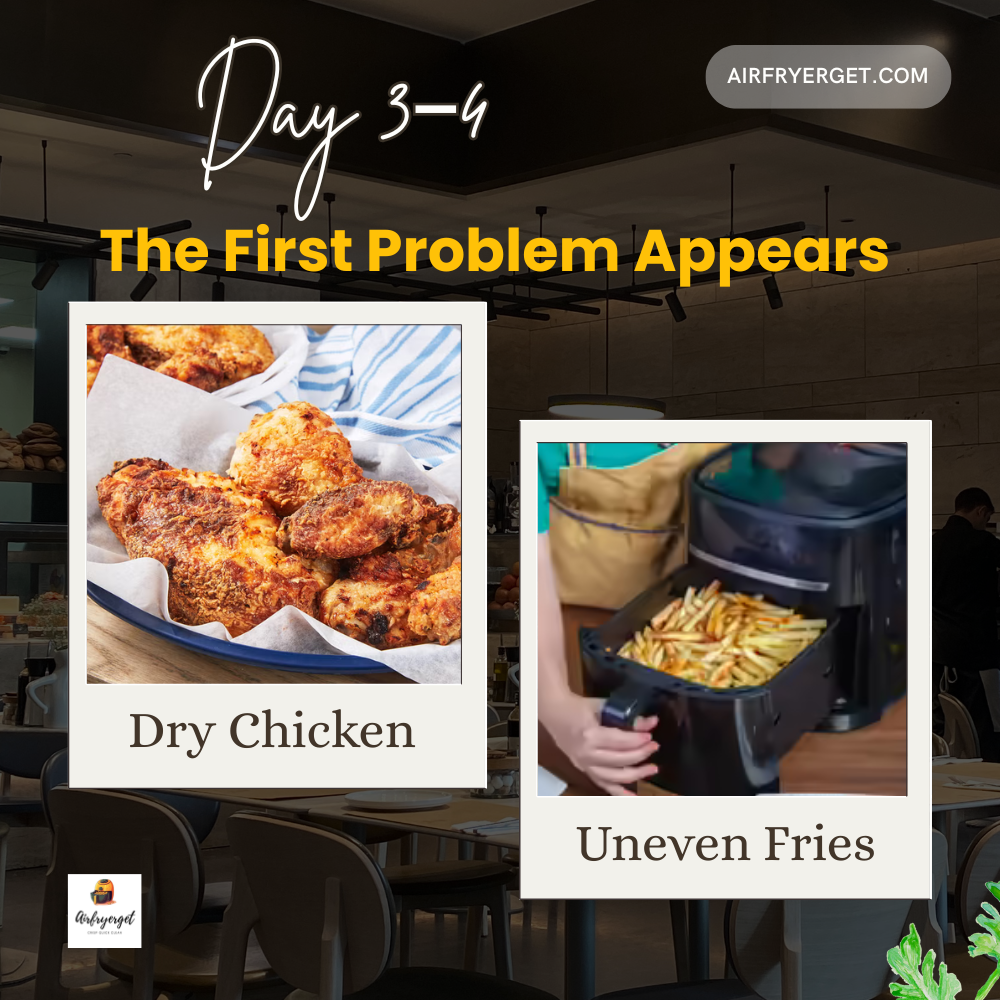
I switched to homemade potato wedges.
Big mistake.
- Dry texture
- Uneven crispiness
- Some pieces burnt, others soggy
This is where I learned something important:
👉 Air fryers don’t create magic — they amplify what’s already there.
Frozen foods already have oil.
Fresh foods? Not so much.
Day 5: Lean Chicken Needed a Small Amount of Oil
I tried chicken without oil.
Result?
- Outside slightly dry
- Not evenly browned
- Missing that “fried” texture
Not terrible, but definitely not satisfying.
At this point, I started questioning everything about using oil in air fryer cooking.
Days 6-7: Adding Just ½ Teaspoon of Oil Changed Everything
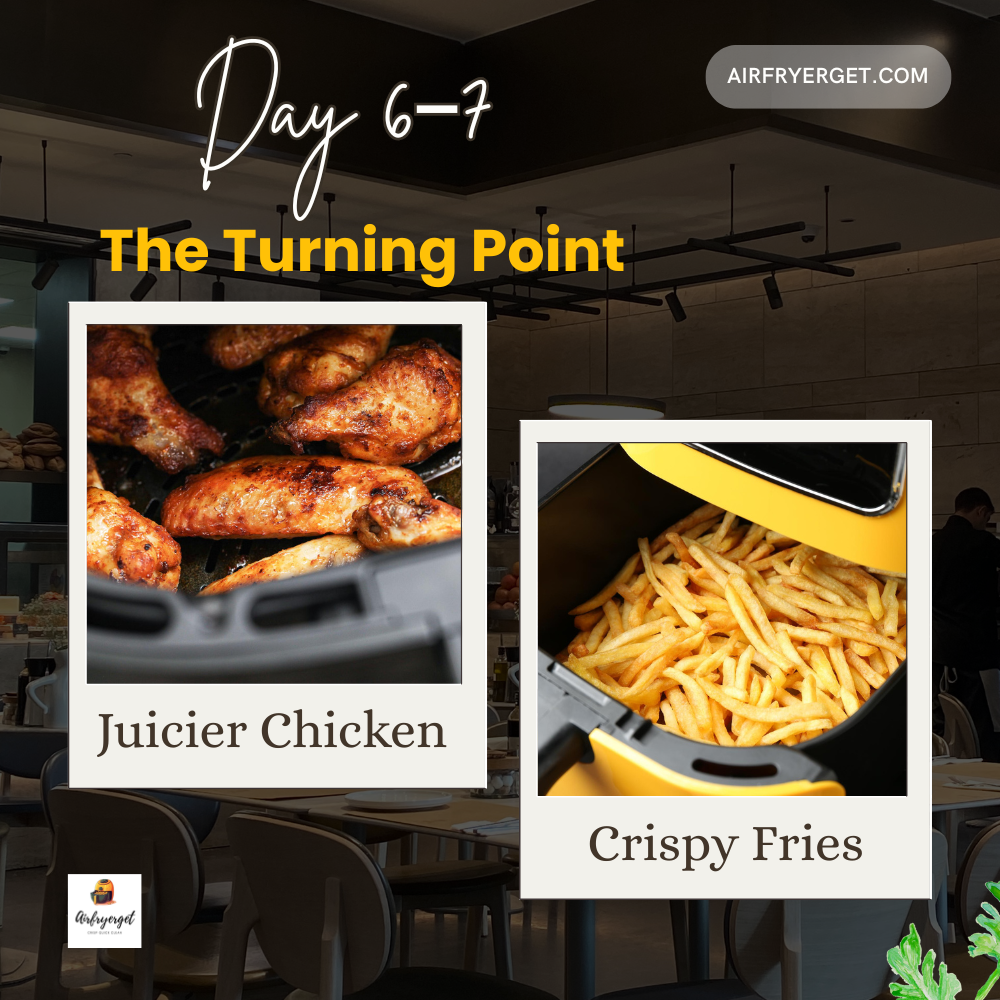
I added just ½ teaspoon oil to the same foods.
The difference?
Crazy.
- Better crisp
- Even browning
- Juicier inside
That’s when it clicked.
👉 Technically, an air fryer can cook many foods without oil. In practice, however, adding a small amount of oil often improves browning, crispiness, moisture retention, and overall flavor—especially for fresh ingredients.
When Do You Need Oil in an Air Fryer?
Here’s the honest answer:
👉 No, you don’t need oil.
👉 But yes, you should use a little.
It depends on what you’re cooking.
When You DON’T Need Oil
You can skip oil when cooking:
- Frozen foods (fries, nuggets, hash browns)
- Pre-marinated meats
- Fatty foods (like sausages or chicken wings with skin)
These already contain oil or fat that helps with crisping.
So if your question is:
👉 Do you need oil in an air fryer for frozen food?
Answer: No. Save your oil.
When You SHOULD Use Oil
You absolutely need a small amount of oil for:
- Fresh vegetables
- Homemade fries
- Paneer or tofu
- Lean meats
Why?
Because oil helps with:
- Even heat distribution
- Crisp texture
- Preventing dryness
Without it, food often turns:
How Much Oil Should You Actually Use?
From my testing, here’s what works best:
- ½ to 1 teaspoon for most dishes
- Use a brush or spray for even coating
That’s it.
You’re still using 80–90% less oil than deep frying, which is the whole point.
To understand this better, you need to know how air fryers work with hot air circulation and why oil still plays a role.
Best Way to Apply Oil (Game-Changer Tip)
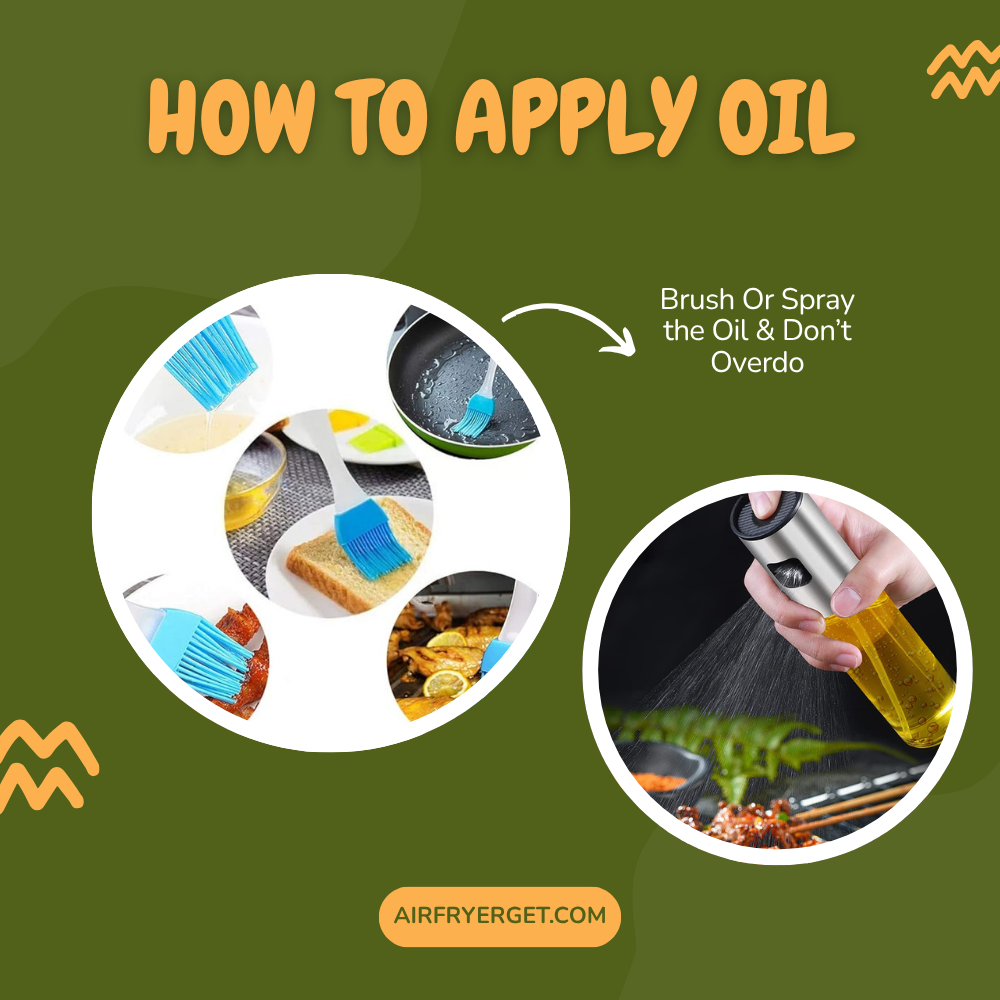
Don’t just pour oil randomly.
Use this instead:
- Oil spray bottle
- Silicone brush
Why?
Because uneven oil = uneven cooking.
This one small change completely improved my results.
What’s the Best Oil for an Air Fryer?
The type of oil matters less than using the right amount. Oils with a higher smoke point generally perform better at common air fryer temperatures.
Some good options include:
- Avocado oil
- Canola oil
- Light olive oil
- Vegetable oil
Extra virgin olive oil also works for many recipes cooked below its smoke point, but a light coating is still all you need.
Whether you use a silicone brush or an oil mister, applying oil evenly produces better browning than pouring it directly onto food.
Before vs After (Real Difference)
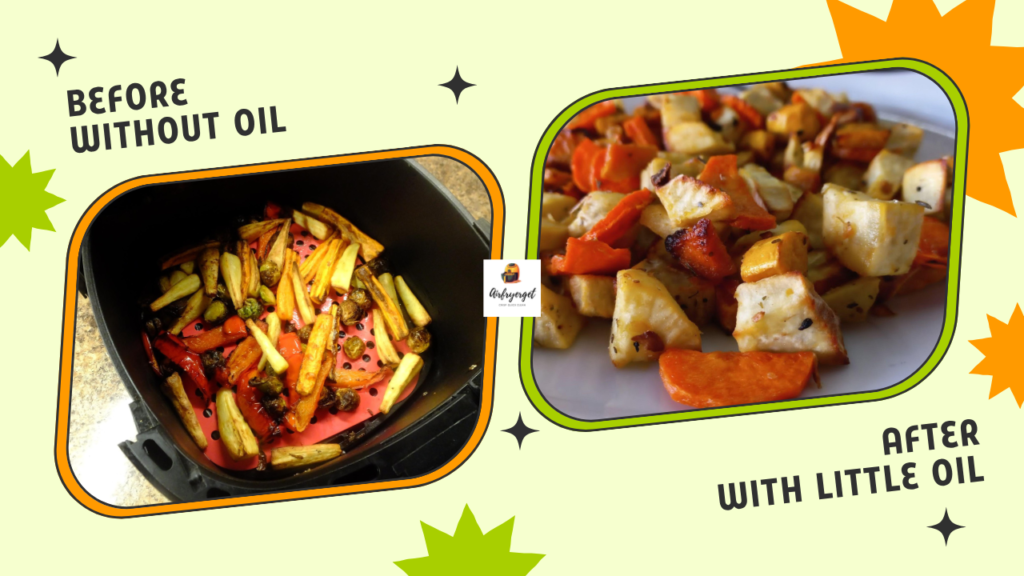
Without oil:
- Dry texture
- Pale color
- Less flavor
With a little oil:
- Golden brown finish
- Crispy outside
- Juicy inside
It’s not even close.
Is Air Fryer Food Healthy Without Oil?
Here’s the truth most blogs won’t tell you:
👉 Food without oil is not automatically better.
Why?
Because:
- Taste suffers
- Texture suffers
- You may end up overeating
Using a tiny bit of oil actually makes food more satisfying.
And since you’re still using very little oil, it’s a win-win.
Using less oil can support better heart health, especially when you understand the long-term benefits of reducing oil intake.
What I Learned From This Test
This wasn’t a laboratory experiment or a controlled scientific study—it was a practical home cooking test using everyday foods that many people prepare in an air fryer.
While cooking times and results vary between air fryer models, the overall pattern was consistent: fresh foods benefited from a small amount of oil, while most frozen foods did not require any extra oil at all.
My Final Verdict After 7 Days
After testing everything myself, here’s my honest conclusion:
👉 Do you need oil in an air fryer?
No.
👉 Should you use it?
Yes — in small amounts.
Air fryers are not “no-oil machines.”
They are low-oil cooking tools.
And once you understand this, your results improve instantly.
Quick Decision Guide
| If You’re Cooking… | Add Oil? |
|---|---|
| Frozen Fries | ❌ No |
| Frozen Nuggets | ❌ No |
| Homemade Fries | ✅ Yes |
| Fresh Vegetables | ✅ Yes |
| Chicken Breast | ✅ Yes |
| Chicken Wings | Usually No |
| Sausages | No |
| Paneer | Yes |
| Tofu | Yes |
Common Mistakes When Using Oil in an Air Fryer
During this experiment, I noticed that most disappointing results weren’t caused by the air fryer itself—they came from how the oil was used.
Avoid these common mistakes:
- Pouring oil directly onto food instead of lightly coating it.
- Using cooking sprays that contain propellants, which may damage some non-stick basket coatings.
- Adding too much oil, causing food to steam instead of crisp.
- Skipping oil entirely for fresh vegetables and homemade fries.
- Forgetting to toss or brush food evenly before cooking.
Using just a small, even coating produced the best balance of crispiness, flavor, and healthier cooking.
FAQs
1. Do you need oil in an air fryer for crispy food?
Yes, a small amount of oil helps make food crispier in an air fryer. While you can cook without oil, adding even ½ teaspoon improves texture, browning, and overall taste significantly.
2. Can you use an air fryer without oil at all?
Yes, you can use an air fryer without oil, especially for frozen or pre-cooked foods. However, completely oil-free cooking may result in drier and less flavorful food in some cases.
3. How much oil should you use in an air fryer?
You only need about ½ to 1 teaspoon of oil for most recipes. Using too much defeats the purpose of air frying, while too little can make food dry.
4. Do you need oil in an air fryer for frozen food?
No, frozen foods like fries, nuggets, and hash browns already contain oil, so you don’t need to add extra. Adding more oil can actually make them soggy.
5. What happens if you don’t use oil in an air fryer?
If you skip oil completely, food may turn out dry, unevenly cooked, or less crispy. A light coating of oil helps achieve better texture and flavor.
6. Can I spray olive oil in an air fryer?
Yes. A light coating of olive oil can improve browning and crispiness. If your air fryer manufacturer advises against aerosol sprays because of the basket coating, use a refillable oil mister instead.
7. Does adding oil make food unhealthy?
Not necessarily. Using ½ to 1 teaspoon of oil is still far less than deep frying and can improve taste and texture without adding excessive calories.
8. Which foods should never have extra oil added?
Most frozen foods—including frozen fries, nuggets, mozzarella sticks, and hash browns—already contain oil, so additional oil is usually unnecessary.
Foods That Benefit Most From a Little Oil
In my testing, these foods showed the biggest improvement after adding a small amount of oil:
- Homemade potato wedges
- Sweet potato fries
- Broccoli
- Cauliflower
- Brussels sprouts
- Chicken breast
- Paneer
- Tofu
- Fish fillets
These foods naturally contain very little fat, so a light coating helps the hot air brown the surface more evenly.
Final Thought (From Experience)
I went into this experiment thinking I’d eliminate oil completely.
But I came out realizing something better:
👉 It’s not about removing oil — it’s about controlling it.
And that’s exactly what makes air fryers so powerful.